Energy Costs and Smart Scheduling: Lower Opex Without Empty Courts
Cut lighting and HVAC costs at padel and tennis clubs without killing occupancy: demand-aware scheduling, zone control, and Playtomic data that proves what works.
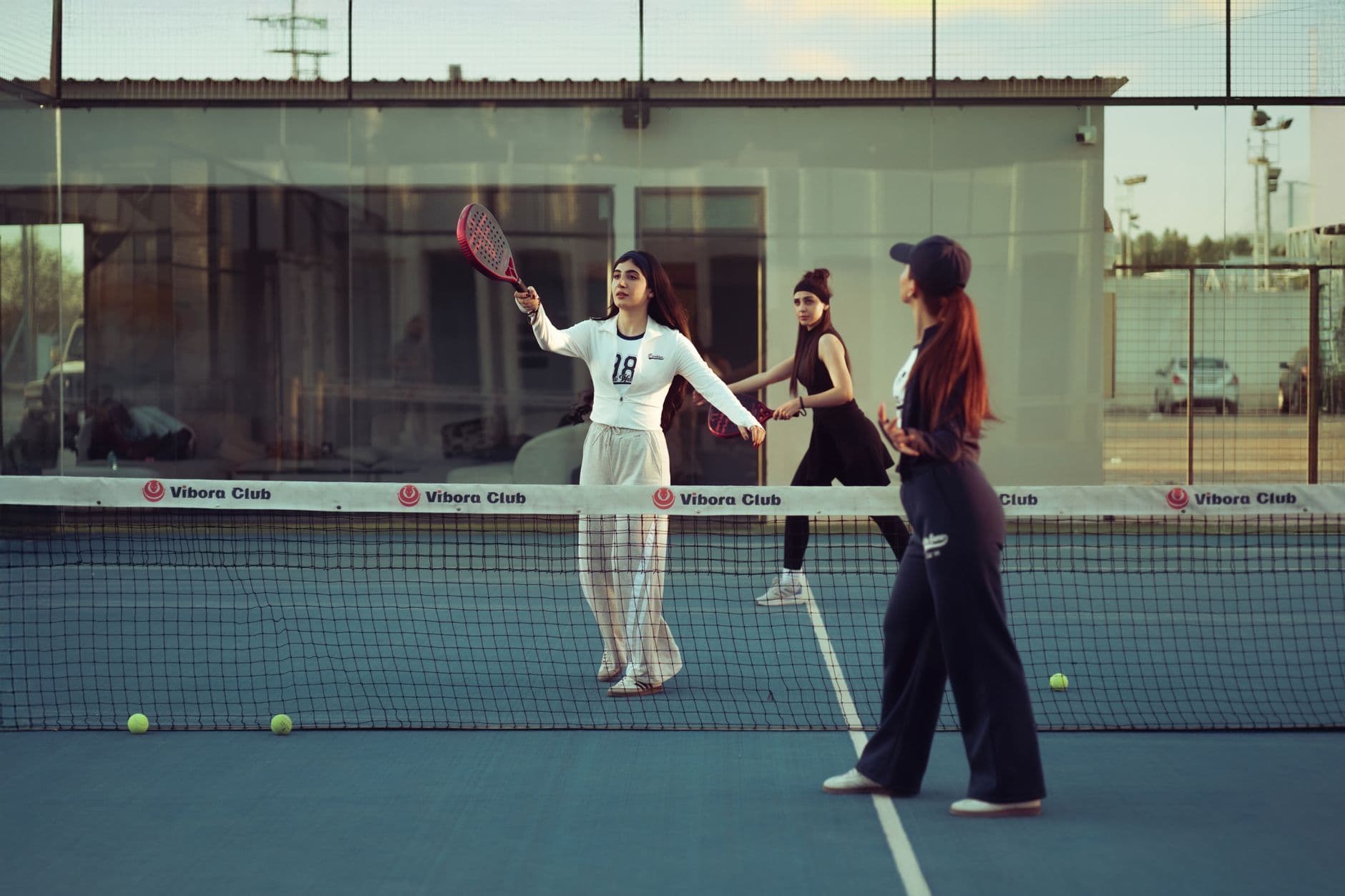
Energy costs are one of the fastest-growing line items for padel clubs and tennis venues—especially sites with indoor courts, LED lighting, and climate control that run long after the last booking. The trap is simple: cut utilities by turning everything off early, and you lose players who need evening slots. The better path is smart scheduling: align court availability, staffing, and building systems with real demand curves from Playtomic—so you lower opex without empty courts during hours players actually want.
This guide covers where energy spend hides, how to schedule smarter, and how data analytics turns energy policy into measurable occupancy and revenue outcomes.
Why energy and occupancy are linked
Most clubs treat utilities and bookings as separate spreadsheets. In practice they move together:
- Lighting and HVAC often run on fixed timers, not booking density.
- Off-peak slots stay empty while peak hours stay fully lit and cooled—double waste.
- Staff extend hours “just in case,” keeping ancillary systems on with no incremental bookings.
Smart scheduling means your court calendar drives operational decisions—not the other way around.
Map your energy baseline first
Before changing schedules, know what you are paying for:
Court lighting
LED retrofits help, but runtime hours matter more than bulb type. Track kWh per court-hour across weekday vs weekend and winter vs summer.
HVAC and ventilation
Indoor padel facilities need air exchange; outdoor-adjacent tennis domes spike in heating. Note which zones can idle without player complaints.
Ancillary loads
Lobby, changing rooms, pro shop, and kitchen often run on building-wide schedules unrelated to court utilization.
Peak tariff windows
If your utility bills on time-of-use rates, shifting non-essential loads off peak can matter as much as occupancy.
Smart scheduling tactics that protect yield
Demand-aware court blocks
Publish fewer open hours in genuinely quiet bands—but fill those bands with named programs (leagues, ladders, corporate blocks) instead of leaving courts open and empty. Playtomic booking data shows which hours are structurally weak vs temporarily soft.
Zone-based lighting and climate
Split courts into zones. Light and condition only booked courts plus minimum safety margins (e.g., 15 minutes pre/post session). Avoid all-on policies when two of six courts have players.
Staffing-aligned open hours
Match front desk and pro availability to booked density, not maximum possible hours. Staff presence often keeps whole-building systems running.
Off-peak fills that justify energy spend
A quiet Tuesday 14:00 slot that costs €8 in utilities for €0 revenue is worse than a Tuesday Club block with six recurring bookings. Off-peak court bookings should be programmed, not hope-based.
Seasonal schedule reviews
Revisit opening hours quarterly. Summer evenings may justify longer outdoor availability; winter weekdays may not. Treat schedule changes like pricing experiments—one lever, two-week read.
Use Playtomic data to decide—not guess
Export rows are not enough. Venue managers need visual demand:
- Heatmaps by hour and day to spot chronic gaps.
- Occupancy % next to revenue per court-hour so you do not confuse cheap full courts with profitable ones.
- Cancellation and no-show patterns that inflate reserved-but-empty court time.
- Before/after views when you shrink hours, add programs, or change zone policies.
CourtPulse connects Playtomic venue analytics to charts your team can read in minutes—so energy decisions are tied to utilization, not anecdotes.
A 30-day energy-and-scheduling experiment
- Week 1: Baseline kWh, open hours, and occupancy by hour.
- Week 2: Pick one quiet band (e.g., weekday 10:00–14:00). Reduce zone lighting or published hours; launch one fill program in the same band.
- Week 3: Measure bookings, revenue, and energy vs baseline.
- Week 4: Keep what worked; document player communication (clear hours beat surprise closures).
Success means lower cost per booked court-hour, not just lower total kWh with collapsed occupancy.
Common mistakes to avoid
- Blanket early close without off-peak alternatives → players churn to competitors.
- Discounts everywhere to fill quiet hours → margin and energy both suffer.
- Ignoring indoor air quality → short-term savings, long-term complaints and liability.
- No measurement → you cannot prove ROI to owners or franchise leadership.
Frequently asked questions
How much can a padel club save on energy with smart scheduling?
Savings vary by climate, court count, and current waste. Clubs that run all-on systems during low occupancy often see 10–25% utility reduction when they align zones and hours with demand—without cutting peak availability.
Should we reduce opening hours or just turn off lights?
Usually both, staged. Zone control is lower risk; hour reductions need clear comms and off-peak programs so players still have reasons to book.
Does shorter availability hurt Google and Playtomic discovery?
Empty listed slots hurt conversion and reviews more than honest, filled windows. Better to market specific programs in quiet bands than show wide open courts nobody books.
What metrics prove we did not hurt occupancy?
Track occupancy % in targeted bands, revenue per court-hour, cancellation rate, and cost per booked court-hour—not just total kWh.
Can CourtPulse show if energy policy hurt bookings?
Yes. CourtPulse lets you compare before/after occupancy and revenue bands so opex cuts do not become silent revenue leaks.
How do we start?
👉 Start your 7-day free trial — connect Playtomic, map demand, and run your first energy-and-scheduling experiment with data you can share with the whole team.