How to Grow Ancillary Revenue at Padel and Tennis Clubs Using Booking and Utilization Data
Turn court traffic into coaching, rentals, F&B, and retail attach—by timing offers to peak hours, segments, and Playtomic-backed utilization patterns.
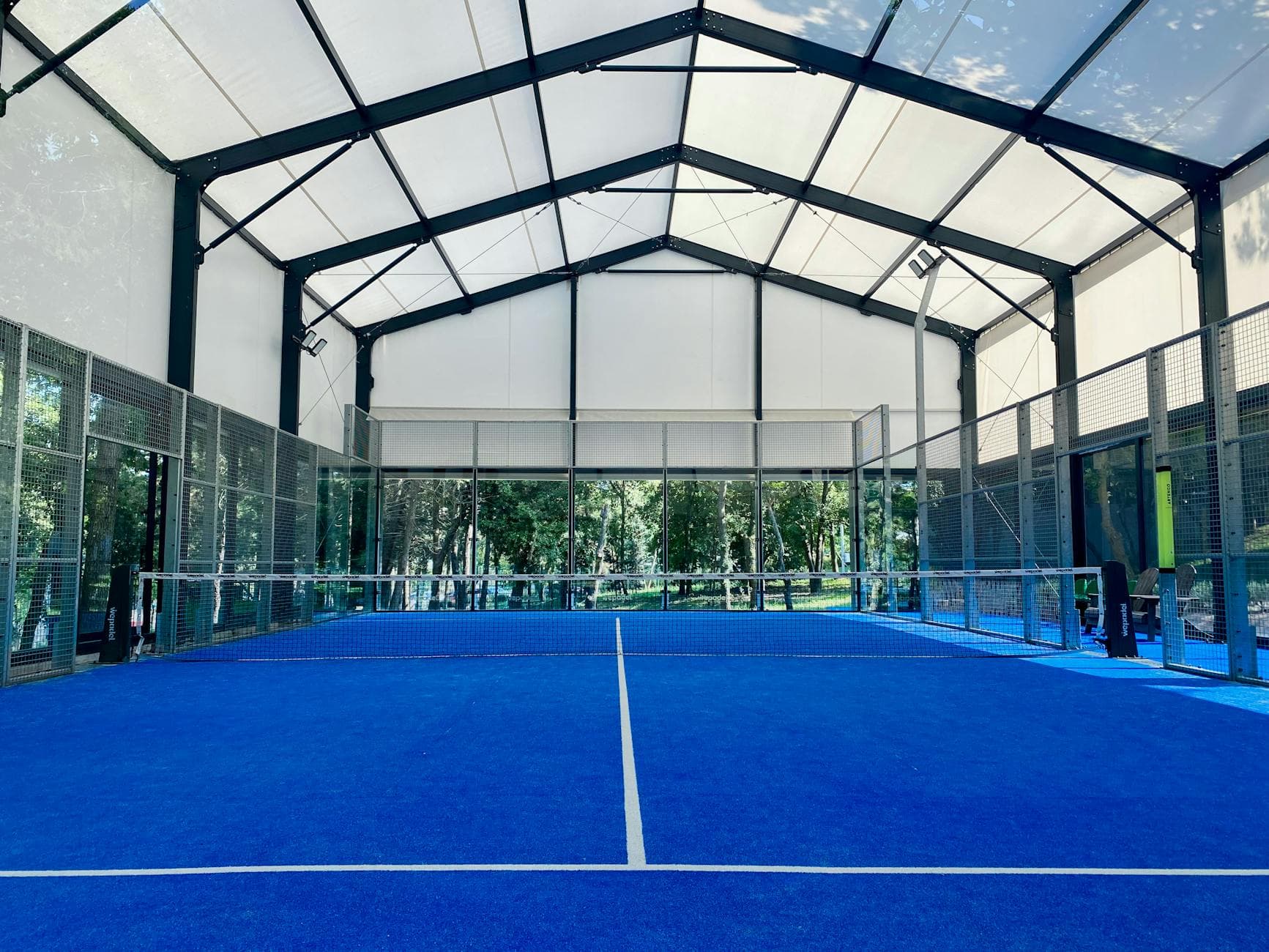
Court bookings are the engine of padel and tennis clubs—but ancillary revenue (coaching, racket rental, balls, F&B, retail) is often where margin and LTV quietly compound. The venues that win do not guess which add-ons to push; they align offers with when and who is on site, using utilization and segment signals from Playtomic history (and supporting POS where available).
This guide covers a practical framework for growing ancillary revenue without annoying loyal members—written for SEO clarity and day-to-day operations.
Map traffic before you map SKUs
Start with hour × weekday occupancy from Playtomic or CourtPulse dashboards:
- Peak bands → speed of service matters more than discounts.
- Shoulder bands → discovery (try a lesson, rent a better racket).
- Off-peak → packages (coffee + court, intro coaching).
If F&B or pro shop lines spike in different hours than courts, you have a flow problem—not a menu problem.
Bundle with intent, not random upsells
Effective bundles answer a job-to-be-done:
- New player path: rental + balls + 30-min coach on first visit.
- Doubles night: 4 drinks pre-order at booking confirmation.
- Junior block: post-session snack window staffed to match dismissal.
Name bundles on your site and confirmation emails so SEO and conversion reinforce each other.
Staff scripts that feel helpful
Train one sentence offers tied to context:
- “Court 4 is outdoor—want sleeves or overgrips at member price?”
- “Thursday ladder players usually book coach tune-ups—want a 15-min slot?”
Measure attach rate by shift; coach low performers with peer shadowing.
Measure ancillary with honest baselines
Track weekly:
- Ancillary £ or € per 100 court-hours (normalize for busy weeks).
- Attach % for rentals and lessons among new vs returning bookers.
- Basket at POS for peak vs off-peak (if integrated).
When court revenue rises but ancillary per court-hour falls, you may be overfilling without service capacity.
Experiments: one lever at a time
Examples:
- SMS add-on 48h before weekend bookings.
- QR on court gate for reorder drinks.
- Member-only coaching mini-clinic in a quiet Tuesday band.
Run 14 days, compare the same ratio KPIs.
Frequently asked questions
Do we need POS integration with Playtomic?
Helpful, not mandatory—start with manual baskets and court-hour denominators.
Will upselling hurt retention?
Pushy upsell does; contextual help does not—train tone and cap frequency.
What is a realistic ancillary lift?
Venue-dependent; aim for directional +5–15% per court-hour over a quarter of focused tests.
Who owns ancillary goals?
GM sets targets; head coach and F&B lead co-own attach KPIs.
How does CourtPulse help?
CourtPulse clarifies when courts are hot so you staff pro shop and bar to demand, not averages.
👉 Start your 7-day free trial and align ancillary plays with Playtomic-backed utilization.