Front Desk SOPs That Boost Retention at Padel and Tennis Clubs
Standard operating procedures for reception teams that turn first visits into repeat bookings—check-in scripts, cancellation handling, and Playtomic data habits that protect retention.
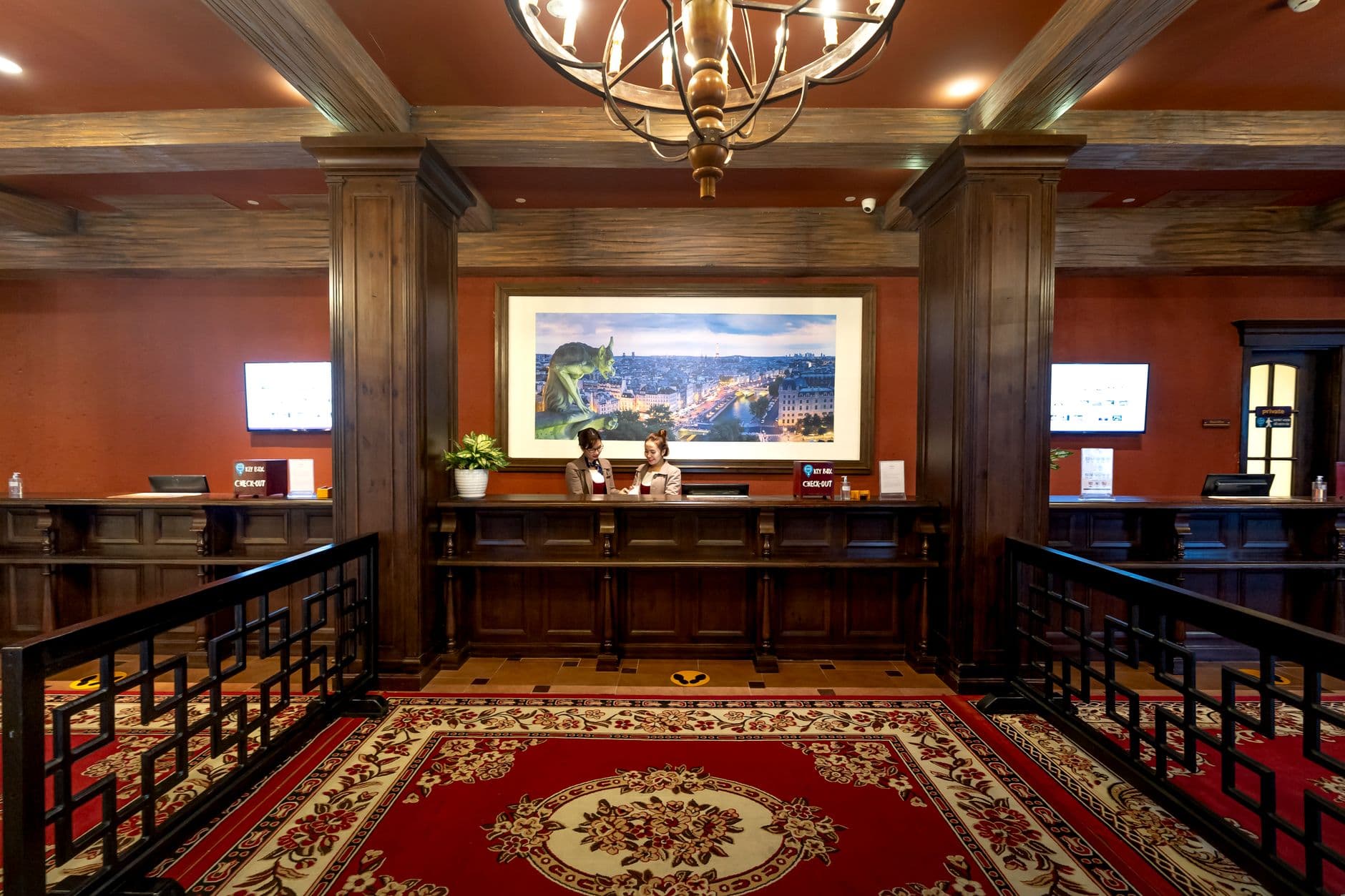
Your front desk is not just where players pay—it is where retention is won or lost. A player who feels welcomed, informed, and remembered on Playtomic is far more likely to book again than one who navigates confusion alone. This guide gives padel and tennis clubs front desk SOPs that turn reception into a repeatable retention engine.
Why front desk SOPs matter for retention
Most churn does not happen because courts are bad. It happens because:
- Check-in feels slow or unclear.
- Cancellations are handled inconsistently.
- New players never get a second nudge to return.
- Staff cannot answer simple questions about bookings, levels, or memberships.
When every shift follows the same playbook, customer experience stays high even when you are busy—and customer retention improves because players trust the process.
SOP 1: The 60-second welcome script
Train reception to greet every arrival with a short, consistent flow:
- Name + booking confirmation — "Welcome back, [name]. You are on Court [X] at [time]."
- First-timer flag — If Playtomic shows a first visit, add: "First time with us? Here is how check-in and the app work."
- One helpful extra — Towels, water, racket rental, or where to wait.
- Soft rebook prompt — "Your usual [day/time] is open next week if you want to lock it in."
This script takes under a minute but signals that your club runs professionally—a key signal for padel club management and tennis venues alike.
SOP 2: Check-in and no-show handling
Document exactly what front desk does when:
- Player arrives early — Waiting area, warm-up rules, early court release policy.
- Player is late — How many minutes before the slot is forfeited; how to message via Playtomic.
- No-show — Log it, apply policy, note in CRM or shared sheet for follow-up.
- Walk-in without booking — How to check live availability and offer the next slot.
Consistency here protects court utilization and stops staff from making ad-hoc exceptions that frustrate regulars.
SOP 3: Cancellation and reschedule workflow
Cancellations are retention moments. Your SOP should cover:
- Window for free cancel vs. late cancel fee (aligned with Playtomic settings).
- Reschedule first — "I can move you to [alternative slot] before we cancel."
- Waitlist offer — If they cancel, offer to notify when a popular slot opens.
- Log reason codes — Weather, injury, schedule conflict—so managers see patterns weekly.
Clubs that rescue bookings instead of only processing refunds keep players in the habit of using your venue, not a competitor's.
SOP 4: New player onboarding packet
For first-time bookers, front desk should complete a mini onboarding:
- Confirm Playtomic profile and level (especially for padel matching).
- Explain house rules (shoes, balls, glass court safety).
- Hand a one-pager or QR to leagues, coaching, and social play.
- Schedule a 48-hour follow-up (email or WhatsApp template) asking how the session went.
First visits are the highest-leverage point for customer retention. A structured packet beats a vague "enjoy your game."
SOP 5: Membership and package questions
Reception should know—or quickly pull—answers to:
- What memberships exist and what they include.
- Peak vs. off-peak restrictions.
- How packages appear in Playtomic at checkout.
- Who to escalate to for custom corporate or academy blocks.
Nothing erodes trust faster than "I'll have to ask someone." A one-page FAQ sheet at the desk fixes most of this.
SOP 6: Complaint and recovery protocol
When something goes wrong (court issue, billing dispute, rude partner), staff should:
- Listen without arguing — Let the player finish.
- Apologize for the experience — Not necessarily admitting fault.
- Fix what you can now — Court change, credit, manager call.
- Log the incident — Same format every time for weekly review.
- Follow up within 24 hours — Especially for members and high-frequency players.
Service recovery done well often creates more loyalty than if nothing had gone wrong.
SOP 7: End-of-shift handover
Close each shift with a five-line handover:
- No-shows and late cancels today.
- First-time players who need follow-up.
- Open complaints or credits issued.
- Tomorrow's large bookings (tournaments, clinics).
- Anything unusual (system outage, court closure).
This keeps venue operations coherent across part-time staff and reduces "I didn't know" gaps.
Connecting SOPs to Playtomic data
SOPs work better when reception can see patterns, not only individual bookings. Managers should review weekly:
- Repeat booking rate for players whose first visit was in the last 30 days.
- Cancellation rate by day and court.
- No-show count and whether follow-up happened.
- Off-peak court bookings that front desk successfully rescued via reschedule.
That is where CourtPulse helps: it turns Playtomic history into dashboards and alerts so you can see whether your front desk rituals actually move customer retention—not just whether the lobby felt busy.
Frequently asked questions
What should a padel or tennis club front desk SOP include?
At minimum: welcome script, check-in/no-show rules, cancellation workflow, new player onboarding, membership answers, complaint recovery, and shift handover. Each step should be one page or less so staff can follow it under pressure.
How does the front desk improve player retention on Playtomic?
Reception influences retention at first visit, cancellation, and recovery moments. Consistent scripts, proactive rescheduling, and follow-ups keep players booking inside your club instead of drifting to alternatives.
How often should front desk SOPs be updated?
Review quarterly—or whenever pricing, cancellation policy, or Playtomic settings change. After busy seasons (summer tennis, winter padel peaks), run a 30-minute team retro: what confused players, what SOP gap caused it.
Can small clubs run these SOPs with one receptionist?
Yes. The goal is repeatability, not a large team. Even a single desk person with printed checklists and a weekly manager review will outperform an improvised approach.
What metrics prove front desk SOPs are working?
Track first-visit return rate within 14 days, cancellation-to-reschedule ratio, no-show rate, and complaint resolution time. Tie those to Playtomic venue analytics so improvements are visible in data, not only anecdotes.
Next step
Retention starts at the desk—but it scales when the whole team shares the same numbers. Start your 7-day free trial of CourtPulse to sync Playtomic data into clear reports, spot at-risk players early, and prove your front desk SOPs are filling courts—not just smiling more.