Open Match and Social Play: How to Fill Courts with Playtomic Community Features
Open matches turn spare court time into new players. See how Playtomic clubs use social play and skill matching to fill off-peak padel slots.
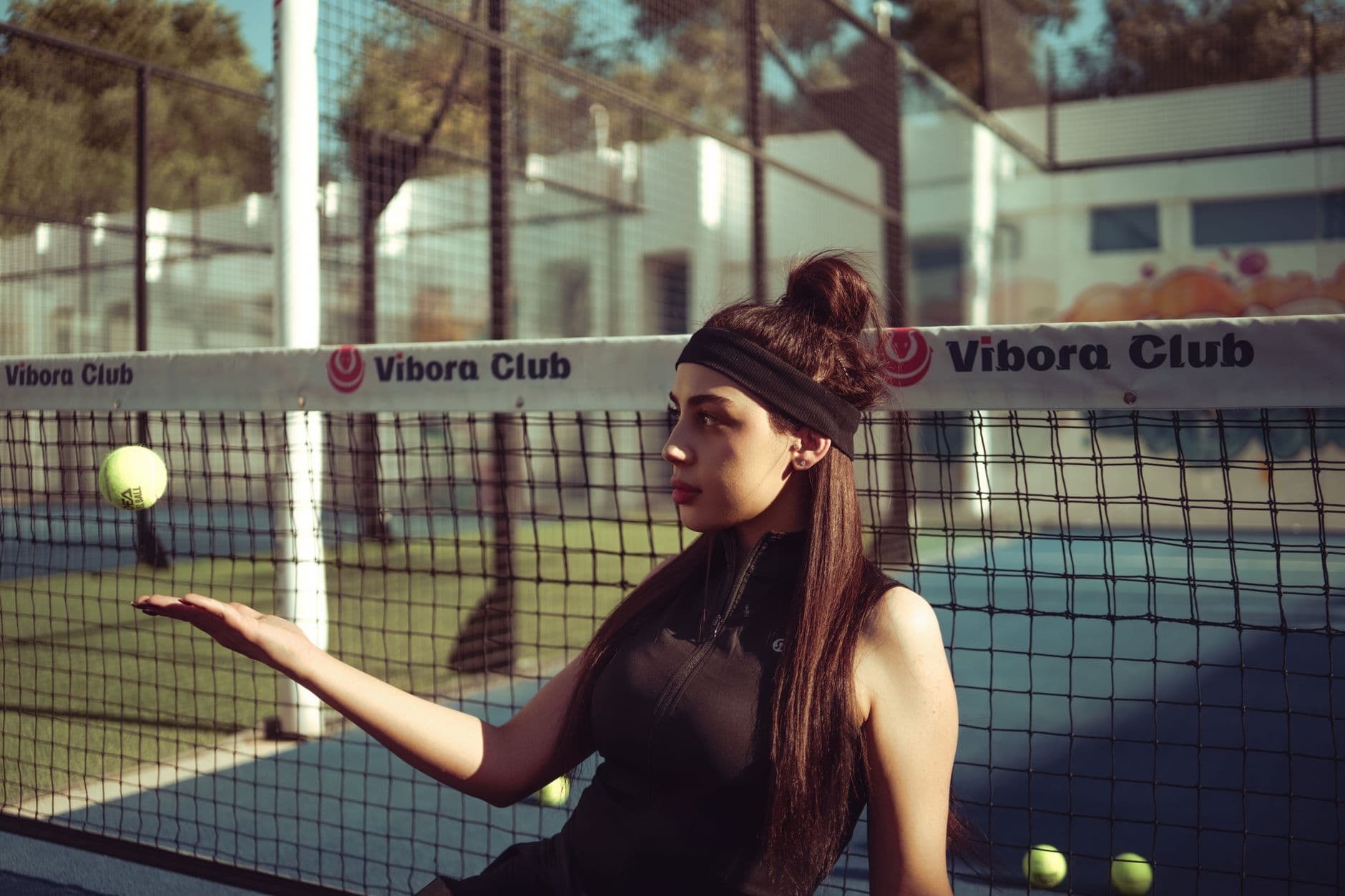
Empty courts are not just a scheduling problem—they are a community problem. When players arrive without a fixed partner, or when your club has quiet Tuesday afternoons that never fill, open matches and social play on Playtomic can turn spare capacity into new regulars.
This guide explains how padel and tennis venues use Playtomic's community features to raise occupancy, improve the player experience, and build a club people return to—not just book once.
What is an open match on Playtomic?
An open match is a reservation offered through the Playtomic app so anyone can join. In Playtomic Manager, these appear on the Matches tab. Unlike a private booking locked to four known players, an open match advertises a slot to the wider Playtomic community—often with a skill level, time, and court already set.
For venue managers, open matches serve three purposes at once:
- Fill courts when a group is one player short.
- Acquire new customers who discover your club through the app.
- Signal activity—a busy Matches feed makes your venue look alive to browsers who have not booked yet.
If you run padel courts where doubles is the default format, open matches are especially powerful: one missing player blocks an entire court. Social play features reduce that friction.
How open match mechanics work in practice
Understanding the mechanics helps you coach staff and set expectations with coaches.
Creating and publishing open matches
Open matches can originate from players in the app or from staff in Playtomic Manager. When your team creates them deliberately—for example, a "Tuesday Social Doubles" block at 18:00—you control court, duration, and visibility.
Best practice for clubs:
- Name the session clearly in descriptions (e.g. "Intermediate social padel—all welcome").
- Set the right duration (60 vs. 90 minutes) for your typical off-peak demand.
- Assign courts near the entrance or café so walk-ins and first-timers feel welcomed.
Join flow and payment
Players browse open matches, join an open seat, and pay through Playtomic according to your venue rules. Fewer phone calls and fewer "can you find me a fourth?" messages at reception—that is a direct customer experience win.
Cancellation and no-shows
Open matches still need clear cancellation policies. A late drop in a social session can leave three players on court with nowhere to go. Publish simple rules (minimum players, refund window) and track cancellation rate by session type so you can tighten policy where needed.
Skill matching: why level matters for social play
Nothing kills repeat bookings faster than a mismatched game—beginners against aggressive tournament players in a "friendly" slot.
Playtomic exposes skill levels in player profiles. Use them when you design social products:
- Segment open matches by band (beginner, intermediate, advanced) instead of one generic "social" listing.
- Train front desk to suggest the right session when someone calls asking "do you have games tonight?"
- Pair coaches with social blocks for the first 15 minutes of a beginner-friendly hour—higher fill rates and better retention.
Skill matching is not about excluding people; it is about making the first experience good enough that players book again. That repeat behavior is what customer acquisition costs ignore and retention metrics reward.
Using open matches to fill off-peak courts
Peak hours often sell themselves. The return on open match programming is highest in off-peak windows—weekday lunch, mid-afternoon, or Sunday morning before leagues start.
Identify your gap hours first
Before launching social play, map occupancy by hour for the last 4–8 weeks. You are looking for repeatable holes: same day, same time band, same one or two courts.
When you can label a slot ("Wednesday 14:00–17:00 under 40% utilization"), you can attach a specific open match product to it instead of club-wide discounts.
Product ideas that work on Playtomic
- Fixed weekly social sessions (e.g. "Friday Padel Mixer") promoted in-app and on social channels.
- Last-seat alerts—when a private booking has one vacancy, convert or duplicate as open match.
- Corporate and academy overflow moved to open format when a block is under-subscribed.
- Singles-friendly tennis hours where open match culture is already familiar to players.
Pricing off-peak social play
You do not always need to discount. Many clubs price social sessions at or slightly below standard off-peak rates but emphasize guaranteed game and partner matching as the value. Test one window for four weeks, measure fill rate and new-player share, then adjust.
Community building beyond a single booking
Open matches are a top-of-funnel tool. Community is what keeps utilization high month after month.
- Repeat the same slot so players recognize faces and start booking together privately.
- Introduce a host—a coach, ambassador, or regular who greets newcomers and explains court rotation.
- Link to leagues and ladders once players have three or four social sessions under their belt.
- Celebrate milestones in venue newsletters or WhatsApp groups (new league team, first tournament entry).
Venues that treat social play as a program rather than a leftover court tend to see stronger word-of-mouth—still one of the cheapest customer acquisition channels for local sports clubs.
Metrics to track for open match and social play
You cannot improve what you do not measure. At minimum, track these alongside standard occupancy and revenue:
| Metric | Why it matters |
|---|---|
| Open match fill rate | Seats joined ÷ seats offered—shows whether listings are attractive and well-matched. |
| New vs. returning players | Separates acquisition from habit; social slots should grow both. |
| Off-peak occupancy delta | Before/after social programming in target windows. |
| Cancellation / no-show rate | High rates may mean wrong level, bad timing, or unclear policy. |
| Repeat booking within 30 days | Best proxy for whether social play built community or just one-off visits. |
| Revenue per available court hour | Confirms social products improve yield, not only volume. |
Playtomic exports and Manager views give you operational data; tools like CourtPulse help you keep longer history, compare venues, and spot trends in OPEN_MATCH bookings versus private reservations—so you see whether community features are actually moving the needle.
Operational checklist for venue managers
- Pick two off-peak windows to pilot open match programming.
- Define skill bands and session names for each pilot.
- Brief reception and coaches on how players join via the app.
- Set cancellation rules and communicate them in session descriptions.
- Review metrics weekly for the first month, then bi-weekly.
- Double down on the session with the best repeat-booking rate.
Frequently asked questions
What is the difference between an open match and a regular booking on Playtomic?
A regular booking is typically private to the players who created it. An open match is visible to other Playtomic users who can join open seats, which helps fill courts and connect players without a fixed group.
Can staff create open matches from Playtomic Manager?
Yes. Venue staff can create and manage matches from Manager, which is useful for scheduled social sessions and for converting under-filled blocks into joinable games.
How do skill levels affect who joins an open match?
Players see skill information in profiles and listings. Segmenting sessions by level reduces mismatches, improves satisfaction, and makes players more likely to return.
Do open matches work for tennis as well as padel?
Yes. While padel clubs often need open matches to complete doubles fours, tennis venues also use social formats—especially for doubles clinics, round-robins, and off-peak social hours.
How long before we see higher off-peak occupancy?
Most clubs need 4–6 weeks of consistent weekly sessions before fill rates stabilize. Players must learn the rhythm and trust that a game will actually happen.
Should we discount open match slots?
Not always. Discounting can help launch a new window, but the main draw is guaranteed play and matching. Test price and measure fill rate plus repeat bookings before racing to the bottom.
How does CourtPulse help with open match analytics?
CourtPulse syncs Playtomic booking data—including match types such as open match—into dashboards and alerts so you can track occupancy, retention, and revenue impact without manual spreadsheets.
Turn social play into measurable growth
Open matches are one of the few features that simultaneously improve customer experience, acquisition, and utilization. The venues that win treat them as intentional products: right time, right level, right follow-up.
Start your 7-day free trial of CourtPulse to see how open match and private bookings shape occupancy across your courts—and make every social session easier to justify with data.