Junior Padel and Tennis Academies: How to Build Kids' Programs That Fill Off-Peak Courts
Build a junior padel or tennis academy that fills after-school courts, earns more per court-hour than rentals, and turns parents into regular players.
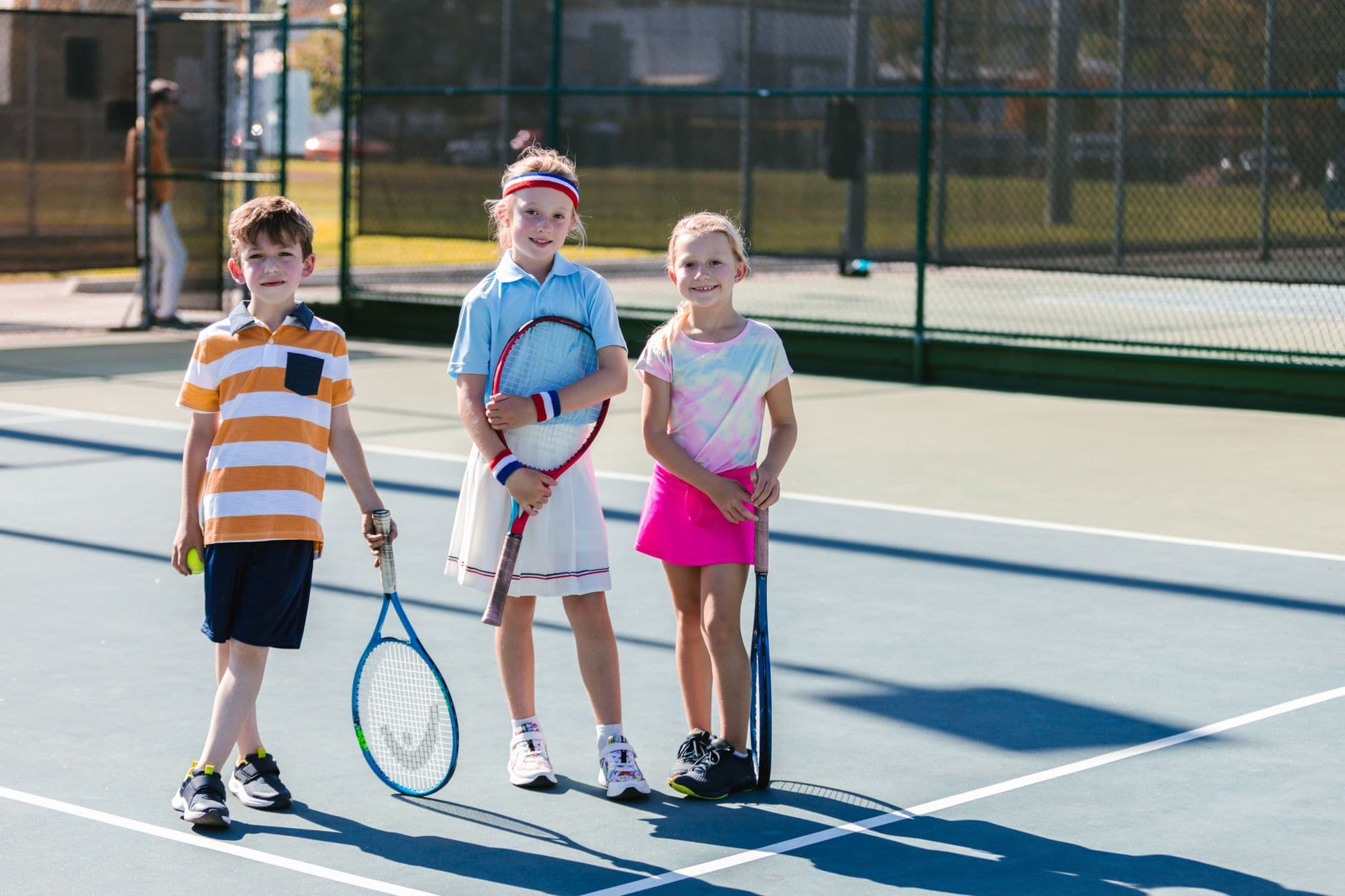
Most padel and tennis clubs are packed from 18:00 to 22:00 and quiet in the afternoon. A junior academy is one of the few programs that fits exactly into that gap: kids finish school around 15:00–16:00, courts are empty, and parents are actively looking for after-school sports.
Done well, a junior padel or tennis program does three things at once: it fills off-peak courts, earns more per court-hour than rentals, and creates a pipeline of parents who start playing themselves. Done badly, it eats evening prime time, burns out coaches, and loses families after one term.
This guide covers how to design, price, schedule, and measure a junior academy using your booking data.
Why junior programs are a strong off-peak strategy
They sell the hours nobody else wants
Look at your occupancy heatmap. For most indoor clubs, weekday 15:00–18:00 sits well below evening demand. That is precisely when juniors are available. Unlike discounts, which train adults to wait for cheap slots, a junior program creates new demand in those hours.
Group sessions earn more per court-hour
A rental sells one court-hour to one booking. A group session with four to six juniors per court sells the same hour to several families. Even at a modest per-child price, revenue per court-hour usually beats an off-peak rental. Compare the two directly with your revenue per court numbers.
Term commitments stabilize revenue
Academies typically run in terms (a school term or 10–12 weeks) paid upfront or monthly. That gives you predictable revenue and guaranteed utilization you can plan staff and lighting around.
Parents become players
Parents spend an hour at your club twice a week watching. Some will want to play. A junior academy is one of the cheapest customer acquisition channels a club has—if you give parents an easy first step.
Designing the academy
Age groups and levels
Keep groups small and similar in age and ability. A common structure:
| Group | Typical ages | Focus |
|---|---|---|
| Mini / starter | 5–7 | Coordination, fun, mini-court or soft balls |
| Development | 8–11 | Technique, rules, cooperative rallies |
| Performance | 12–16 | Tactics, match play, competitions |
| Teen social | 13–17 | Casual group play, friends, retention |
The teen social group matters more than it looks: teenagers drop out of sports when everything becomes competitive. A social option keeps them playing (and booking) into adulthood.
Group size and coaching ratio
- Padel: 4 players per court is natural; up to 6 with a coach rotating drills.
- Tennis: 4–6 per court for beginners; fewer for performance groups.
Too few players and the session loses money; too many and parents notice that kids spend more time waiting than hitting.
Session length and frequency
60 minutes for younger groups, 75–90 minutes for older ones. Offering once or twice weekly lets families choose commitment, and the twice-weekly option drives more court utilization.
Scheduling: protect prime time
The biggest mistake clubs make is letting the academy creep into evening peak hours because "that's when the coach is free."
Rules that work
- Anchor junior sessions in 15:00–18:00 weekdays and weekend mornings before adult peak.
- Cap the number of courts the academy can use in any hour so adult rentals always have inventory.
- Block academy courts in advance for the whole term so they show as booked in Playtomic and staff never double-sell.
- Review the last junior slot each term: if 17:30–18:30 is pushing into adult demand, shift it earlier.
Check your hourly booking curve before and after launch. Off-peak occupancy should rise; peak occupancy for adults should not fall. See our guide to filling weekday courts for complementary programs.
Pricing a junior academy
Price per term, not per session
Term pricing improves commitment and cash flow. Show a per-session equivalent so parents can compare with private lessons.
Build the price from court economics
A simple check for each group:
Compare the result with your average off-peak rental revenue per court-hour and add coach cost. If the academy doesn't beat the rental after paying the coach, raise the price, adjust the group size, or move it to a quieter hour.
Sibling and multi-session discounts
Small, clear discounts—for example a reduced rate for a second child or a second weekly session—encourage families to commit more without devaluing the program. Keep them simple enough that front desk staff can explain them in one sentence.
Turning parents into regular players
This is where an academy pays off twice.
Make the first step easy
- Parent clinics at the same time as junior sessions on another court.
- A "first booking" offer for academy parents in off-peak hours.
- Family days at the end of each term with parent-and-child matches.
Track it
Tag academy families in your player data. Each term, check how many parents made their first court booking and how many became repeat players. That conversion is a key part of the academy's real return. The repeat booking rate for academy parents is often higher than for players acquired through ads.
Metrics to track every term
- Enrollment per group vs capacity.
- Term-to-term retention — share of juniors who re-enroll.
- Attendance rate — falling attendance predicts drop-out.
- Revenue per court-hour for academy hours vs off-peak rentals.
- Off-peak occupancy in academy hours before vs after launch.
- Parent conversions — first bookings and repeat bookings by academy families.
- Coach utilization — paid coach hours vs hours actually on court with juniors.
CourtPulse shows occupancy by hour and weekday from your Playtomic data, so you can see whether the academy is filling the hours you intended—and whether adult peak demand is untouched.
Common mistakes
- Running juniors in prime time because it's convenient for coaches.
- Mixed-ability groups that frustrate both beginners and stronger kids.
- No re-enrollment process — families drift away between terms if nobody asks them to sign up again.
- Ignoring teenagers, who need a social track to stay in the sport.
- Measuring only enrollment, not revenue per court-hour or parent conversion.
Frequently asked questions
What age can kids start padel or tennis?
Many clubs start mini programs around ages 5–6 with soft balls and smaller courts or nets. Group by age and coordination rather than strictly by birth year.
How many kids should be in a junior padel group?
Four per court is the natural format for padel, up to six with an experienced coach running drills. More than that reduces hitting time and parent satisfaction.
When should junior academy sessions run?
Weekday afternoons (roughly 15:00–18:00) and weekend mornings, when courts are usually underused. Avoid letting sessions spill into adult evening peak.
How should we price a junior academy?
Price per term, check that revenue per court-hour beats your off-peak rental after coach costs, and keep sibling or multi-session discounts simple.
Does a junior academy help adult membership?
Often, yes. Parents who spend time at the club during their kids' sessions are natural prospects. Give them an easy first booking and track how many become regular players.
How do I know if the academy is working?
Compare off-peak occupancy and revenue per court-hour before and after launch, and track term-to-term retention and parent conversions. If adult peak occupancy drops, the schedule needs adjusting.
Build the next generation of players—and fill your afternoons
A junior padel or tennis academy is one of the most reliable ways to turn empty afternoon courts into committed, recurring revenue. Keep groups small and level-matched, anchor sessions outside prime time, price from court economics, and treat parents as your next players.
👉 Start your 7-day CourtPulse trial to see your Playtomic occupancy by hour, spot the gaps an academy can fill, and measure the impact term by term.